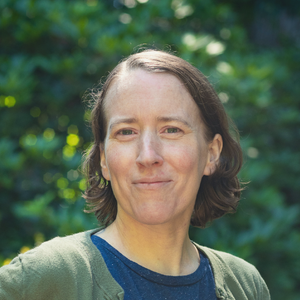
83: Letting Yourself Feel
With Emily Macleod, Somatics Coach
Did you learn to numb your feelings? In this episode, I talk with Emily Macleod about reconnecting with your body through somatics and:
Slowing down to notice what your body is telling you
Letting go of self-judgment and embracing your imagination
Accepting your big emotions
Emily is a Somatics Coach for highly sensitive people. She shows highly sensitive people how to safely come back to their body so they can lessen the overwhelm and find confidence and joy.
Keep in touch with Emily:
Website: http://www.emilymacleodhsp.com
Instagram: https://www.instagram.com/emilymacleodhsp
For more deep conversations like this, join me in Sensitive Circles - a cozy online community for highly sensitive people to find meaningful connection and deepen self-awareness at their own pace. More details: https://www.sensitivecircles.com
Thanks for listening!
You can also follow "SensitiveStrengths" for behind-the-scenes content plus more educational and inspirational HSP resources:
Instagram: https://www.instagram.com/sensitivestrengths
If you have a moment, please rate and review the podcast, it helps Sensitive Stories reach more HSPs!
This episode is for educational purposes only and is not intended as a substitute for treatment with a mental health or medical professional. Some links are affiliate links. You are under no obligation to purchase any book, product or service. I am not responsible for the quality or satisfaction of any purchase.
Episode Transcript
Emily Macleod 0:00
We're human. There's moments where I'm still judging myself. But I know I can feel this and it's gonna be gone. I'm gonna be overwhelmed, and tomorrow I won't be overwhelmed. I'm gonna be angry for five minutes. But if I just, you know, let that anger be, then out it goes. Whereas before it was like the moment I felt any emotion that I deemed bad, wrong, not pleasant. It was like I couldn't even sit there.
April Snow 0:31
Welcome to Sensitive Stories, the podcast for the people who live with hearts and eyes wide open. I'm your host, psychotherapist and author April Snow. I invite you to join me as I deep dive into rich conversations with fellow highly sensitive people that will inspire you to live a more fulfilling life as an HSP without all the overwhelm. In this episode, I talk with Emily McLeod about accepting your big emotions, slowing down to notice what your body is telling you, and letting go of self-judgment. Emily is a somatics coach for highly sensitive people. She shows HSPs how to safely come back into their bodies so they can lessen the overwhelm and find confidence and joy. And just a reminder that this episode is for educational purposes only and is not intended as a substitute for treatment with a mental health or medical professional. Let's dive in the house.
Emily Macleod 1:57
Oh, I feel so honored. You've made a safe space, so I feel like I'm in good hands right now.
April Snow 2:04
Yes, I would hope so. And I've ushered many people through their first podcast, and I remember how that was for me too. And it helps when it's another HSP I found on the other end. Oh, absolutely. So I'm like, I know you understand exactly what I'm feeling right now.
Emily Macleod 2:18
So I get it. This definitely helps.
April Snow 2:20
Yeah, I get it. My first podcast, I was sitting on the floor. This was before video podcasts existed, and I just had I think 10 pages of notes strewn out in front of me. Overly prepared.
Emily Macleod 2:32
I find notes. Sometimes I'm more nervous, but yeah, I don't have notes, but then I'm like, oh god, I lost my space. And then I'm like, yeah, yeah. Like sometimes you gotta find the nice like blend. Exactly.
April Snow 2:42
Like a word or two to prompt you and then I found that over the years that that's a lot better. Cause yeah, otherwise you're just trying to hit all your points and it just takes you out of the moment. Yeah. For sure. Yeah, exactly.
April Snow 2:53
Well, can we start with hearing a little bit about your discovery story? I'm curious when or how you realize that you're a highly sensitive person.
Emily Macleod 3:02
Yeah. And obviously, as a highly sensitive person, I've thought about this story in my journey a lot. And it's kind of blurry. I definitely knew that I was different as a child. And I think the best way to describe it is like I just couldn't keep up. And I don't mean academically or anything like that. I did fine in school, but with my friend group, I was like the least popular of the popular group. And I kind of just sat there at the bottom, like observing and not understanding how the kids my age were like so outgoing. They were like more daring than I was. They were able to like joke around with teachers. They got along really well with like parents. And I felt kind of like, you know, the little mouse that was just sitting there observing everything and not knowing how to partake in things. But I didn't know the term highly sensitive back then. And it wasn't really discussed with parents or adults like that. So it was never a thought of like, oh, I'm sensitive. It was just like, okay, something's different. And I got called shy all the time by adults, by children, by everyone. So I think I kind of just chalked it up to that. Like, I'm shy. And then entering like my later teens, early 20s, I had gotten pretty good at just kind of like numbing out things. I lost my mother at a young age and was not really given any space to process her death. Sent back to school like a day later. Which looking back, I'm like, that's wild. I understand why my father did it. One, he was a working dad. There's no time to like stay home with your kid. And two, I think he really just wanted life to be normal. But essentially, like I just didn't have time to feel any feelings because I was just a high school kid trying to, you know, get good grades and keep up in school. And so that kind of forced slash taught me to numb out all the other feelings. So I drank quite heavily in high school. I mean, I think a lot of teenagers do. You're experimenting, you know, getting drunk for the first time is kind of like a whoa, what's this? Which was part of it too, right? As a highly sensitive person, you get drunk for the first time and you're like, oh, I'm a little braver. And you know, life doesn't feel so loud. And like I kind of like this. And so I definitely use partying to cope with things. I was like an emo alternative kid, which I think was a bit of me kind of finding my place too. I had various eating disorders. So I just got really good at it, it wasn't even masking, it was really more numbing. I got really good at numbing. And so I didn't really discover that I was a highly sensitive person until I had my daughter, because it just kind of became impossible to like mask or numb or ignore things because all of a sudden I have this child and now I'm regulating her nervous system along with my nervous system. And it really just turns the dial-up on everything. You know, that was the moment where I was like, okay, something is definitely different because I'm watching, you know, friends and coworkers and other people go through this motherhood journey, and it's hard for everyone, but they seem to be managing and coping. And I was not. And so, you know, my postpartum journey is a whole different story. But essentially, after becoming a mother, I saw the term highly sensitive person. And initially I kind of dismissed it. I was like, oh, I read a few traits that didn't totally check the box. And I was like, that's definitely not me. But I realized now I was still kind of numbing parts of myself. So they weren't as obvious to me then. And eventually I came back and found, I think it was a post on Instagram. I think it was a highly sensitive post on Instagram. And I read it and I was like, oh, okay. And then I kind of went down this deep dive of reading every single thing I could. And I remember like running down the stairs to talk to my husband. I was like, I'm a highly sensitive person. Everything makes so much sense. And yeah, so that's kind of the journey, I guess. And it's still ongoing. There's still things that I'm discovering. And there are still parts of being a highly sensitive person that I don't always relate to with other people, but I think that's kind of the beauty in it that we all have our own experience with it, which of course, like we're all raised in very different ways. Our experiences were all very different. So I don't think it's gonna look the same for all of us. So I'm still kind of out here exploring it myself.
Emily Macleod 7:23
Yeah.
April Snow 7:23
I love that. I love that. And you've been so open. I love your Instagram and it's so relatable. And that's the thing. We want to see real HSPs and their individual experiences because we all don't fit into the same box, right? We're all very unique depending on other parts of our personality, our background, our childhood experiences. And we need more awareness of that, right?
Emily Macleod 7:46
Absolutely. I agree. That's the number one comment I think I get in my inbox, is like, I had no idea other people felt this way. Yes. And I was like, yeah, I'm like, just welcome into the world. You're gonna realize how many of us are actually in here. But yeah, it's a really it's a big relief. And it's I don't know, it's I think it comes with like a lot of different emotions of like, oh, I I hear a lot, like, oh, I wish I knew sooner. That's the biggest one I hear. I have a lot of sort of older. Yeah. I don't say either older, older women who are like, Wow, you know, I'm in my 70s now, if only I knew back then. I'm like, well, never too late. Never too late. You know, now yeah, and there's some grief, I think, that comes with it too. Yeah, a whole whack of emotions, I think.
April Snow 8:33
Oh, it's so true. When you have that realization about yourself, your whole life story starts to shift. You have to look at everything through a different lens. And I think your story is very relatable because a lot of us have that years-long unfolding to not only realizing, but also accepting that we're different, that we have this trait, that it's a thing, that we're not alone, that you know, all of our emotional experiences we weren't overreacting, we weren't making it up, that we were legitimate. And you know, when we grew up, the term didn't exist, right? There's probably some early research around the trait, but it wasn't, it's still not a household name, but it wasn't even close to the awareness we have today. And that was kind of the way of living. Like, yeah, you just push through. Like we didn't make space for grief, right? It's like, no, just go back to get back to normal, right? But then as a highly sensitive person, we need a lot of time with our feelings. And people that aren't highly sensitive don't quite understand that. It's not because they don't care, it's just they don't understand. So I appreciate you sharing that part of it. It's really, it's really normalizing.
Emily Macleod 9:40
Yeah, yeah. I'm happy to, and yeah, it's funny. My husband's like, he's amazing. He is such a great support, but he's always like, I try really hard to understand how you're feeling. And he's like, I just don't get it. I'm like, I don't. But you again, I don't expect you to. You're not highly sensitive, you're not gonna feel this way. And you know, I was raised by two cops. Both my parents are cops, actually, my stepmother is a cop, and all of them are very good at, you know, kind of having to get through. They see some really intense things, they deal with some really intense things, and so they literally have to sometimes, you know, turn off those emotions. So I definitely felt a bit of a black sheep in the family, too.
April Snow 10:20
For sure. Yeah, my brother is a firefighter, and I can't imagine the work that he does. He's gotta put that armor on. And I mean, he's really good at it. And it's funny because I think we both from our childhood traumatic experiences, I went became a therapist, he became a firefighter. Just two different versions based on our personalities of helping people and you know, leaning into the chaos that we're comfortable with. But yeah, it's tough. And I love the conversations you have and how you share snippets of you and your husband's exchanges. It's so relatable.
Emily Macleod 10:55
We're such opposites, but yeah, you know, comical, and you know, we support one another.
April Snow 11:02
I love that because it is possible. So you know, sometimes an HSP and a non-HSP is a great balance when you can work together. Like you have a little bit of what he needs, and vice versa. Yeah.
Emily Macleod 11:11
I can't imagine being married to a highly sensitive person. Like, no, no shame to us, but like I have two dogs that I would say are highly sensitive dogs, and I was like, man, they require so much from me that like I need a non-sensitive human in my life to kind of just stabilize me and push me through things when I need it.
April Snow 11:31
Yeah, it definitely helps. My wife is also HSP, and we have to be really conscious of not getting like stuck in our own little bubbles. Yeah.
Emily Macleod 11:39
Yeah, I wouldn't be all that social with that. Well, I mean, that's not true. He's not sensitive. I wouldn't say he's the most social. It's funny. Sometimes I feel like the extroverted one around him, but I'm like hyper aware of when I'm having to be the extrovert. I'm like, okay, I'm really pushing you because you're not doing it. So sometimes I like poke him. I'm like, I need you to talk more, need you to be a little more outgoing because this is really hard for me to like carry this social conversation.
April Snow 12:04
Oh, it's so hard for us. And you had mentioned a bit ago about, you know, learning how to numb, right? Which I think we all have done at some point in various ways, because how else do you exist in the world before you realize what's going on with your nervous system? So I'm curious, you know, over the years though, as you realize, oh, this is what's happening in my nervous system, this is what's going on. How have your coping tools started to shift?
Emily Macleod 12:30
The biggest thing now is just that it's almost like I don't try to cope. Obviously, I am in some form coping, but it's that I let myself feel. You know, I think I had this idea, and I still do have this idea of like, oh, you're a somatics coach and you should be just the most regulated and calm human being ever. And I'm like, I'm not, I would not classify myself as calm. I'm quick to anger, so I get overwhelmed constantly, especially as a mother. But the difference there is that like I am able to know that those feelings, those emotions, those sensations are gonna pass and there's no more like guilt. Okay, sometimes I judge myself. We're human. There's moments where I'm still judging myself, but I know like I can feel this and it's gonna be gone. I'm gonna be overwhelmed, and tomorrow I won't be overwhelmed. I'm gonna be angry for five minutes. But if I just, you know, let that anger be, then out it goes. Whereas before it was like the moment I felt any emotion that I deemed bad, wrong, not pleasant, it was yeah, it was like I couldn't even sit there. It's why I developed an eating disorder. I would literally like binge eat because for those hours essentially that I was binge eating, everything kind of went numb. Or, you know, with the drinking, obviously things went numb until you're wickedly hung over the next day, and then everything feels worse. But then it's kind of a vicious circle. So yeah, I would say coping now just looks like acceptance and and letting myself be and letting myself be messy and angry and dysregulated sometimes.
April Snow 14:02
Yeah, because we're humans, right? I think that's the myth is that oh, you're supposed to be this perfectly calm, regulated person all the time. That's not how our nervous system works. We need it to be malleable. We kind of need to move up and down that ladder or that window, right? From anxious to angry to you know, foggy to back to calm. And every day. Every day, multiple times a day. Multiple times a day.
Emily Macleod 14:25
Right, exactly. Which my daughter, again, is a beautiful teacher for she's four. And so she man, her emotions just yeah all day. And it's I'm quick to calm her down, or you know, if she's getting angry, it's really easy for me to just automatically be like, stop. Like, why are you getting angry? And then I'm like, oh, be angry, stomp your feet if you need to stomp your feet. I'm like, why am I rushing to stop you from being angry? So yeah, she's a good reminder of we're emotional. We're humans, we're gonna be emotional, and that's not necessarily a bad thing.
April Snow 14:58
Yeah, kids are such a great teacher, and I've heard from so many HSPs, I don't have kids, but those that are parents, that that's the moment they discover they're highly sensitive, and or that's where they learn to take care of themselves because you do, you have to show up for this small person and they need to borrow your nervous system and help regulate them and also make space for their emotions. Yeah, yeah, incredible. Yeah, you kind of have to parent yourself along with it.
Emily Macleod 15:23
Yeah.
April Snow 15:24
Right, exactly. So I'm curious, you mentioned being a somatics coach, and maybe we should define what somatics are. How does that sound? Yeah. I always throw I throw the term around so much, and I guess I just think of it as working with the body. I'm not sure if you would add a different, a more detailed definition to that.
Emily Macleod 15:44
Yeah, I think everyone is going to have a different description of somatics depending on what they've learned and where they come from and how they're practicing it. To me, yeah, somatics really just means integrating mind, body, soul. So incorporating everything. I think in the online space now it's come to mean mostly like nervous system and nervous system regulation, or in like the yoga spaces, it's like somatic movement. I'm like, I don't know what that means. Right. Yeah, you're moving your body. Um yeah, for me in the simplest terms, it's just mind, body, soul integrating all of it together.
April Snow 16:20
I love that. Yeah, approaching it, yourself as a whole being, not just cutting ourselves off, like we're just our thoughts or we're just our actions. Like, no, I'm this fully complex being. So I love that approach. Because yeah, we've kind of started almost like the medical system, we started the piecemeal parts of ourselves and somatics included. And so I appreciate that wide open space of like, no, we're it's all here. Yeah.
April Snow 16:44
Yeah. And so as we're using somatics, I'm curious how that specifically supports highly sensitive people. Like, what have you seen in your work?
Emily Macleod 16:54
The biggest thing is that I think in the terms of how I work and cope is that it gives them this space to just slow down and be present. You know, how I was talking about how my coping skill now is just acceptance. And so that's how I like to utilize it the most. It's like you show up on call and we just sit with what's coming up for you, and of course, build the capacity within your system to sit with it. I'm not just throwing you into the deep end. I think because highly sensitive people are so good at analyzing themselves, you know, all of my clients come and they know all the lingo and like the therapeutic jargon, and they're like, I'm this and doing this because of this, blah, blah, blah. I'm like, okay, let's slow down. You know, how does it feel in your body when you're doing that? So I think it's just a nice way for highly sensitive people to switch off kind of that analyzing portion of their brain and just come be with the body. And because we have, you know, that heightened interoception, that ability to notice more of those sensations. I have found that my highly sensitive clients are so amazing at letting their body speak. You know, with something as simple as like, close your eyes, notice that sensation, and tell me a little bit about that sensation. They will go off on these beautiful stories. And I think they can really let their like imagination fly, I guess, when they tap into the body. And I think the imagination is a really beautiful part of the healing journey. You know, sorry if I'm like going off on a different round. This is great. I think as children, we have these beautiful imaginations. And I look at my daughter and she's off in dreamland most of the time. And then as an adult, you're kind of both taught and forced to turn that off. And we see imagination as like a waste of time. But as I always say to my clients, like our imagination is still stemming from something that is somewhat a reality to us. Like the imagination and what we're imagining, what we're dreaming, has to come from some part of us still. And I think you can learn so much about yourself, about your body, about how you relate to the world if you just kind of let that imagination go, let yourself dream. And so I find somatics is a really, I'm not gonna say easy, it's not easy, but a really nice and nourishing way for highly sensitive people to kind of explore their imagination and their dream world a little more.
April Snow 19:10
Yeah, exactly. Because I know for myself, and I've seen this with clients too, where you can get stuck in like faux healing, you're just being in the intellect. So I have I can really perform progress and therapy, but I'm actually, it's nothing is shifting below the neck, right? So emotions aren't moving, my nervous system isn't settling, but visualization, imagination is a gateway for me. So when I'm like getting body work done, visuals will just pour out, and it's a great way to process. And I recently learned just how much our mind does its work in daydreaming while we're awake and how important it is. I was like, oh yeah, this is valuable, but we're told that it's a waste of time. And it's really it's a way back in. Yeah. So it's exciting to hear you say this.
Emily Macleod 19:58
Yeah, yeah, exactly. A waste of time because you gotta go be productive, right? You gotta go start a business, and there's no time for imagination and daydreaming there.
April Snow 20:06
Yeah, yeah, and play.
Emily Macleod 20:10
Another wonderful thing my daughter has brought into my life. You gotta play with a four-year-old. That's all she wants to do. Yeah, so she's helped me realize how important play is for everyone.
April Snow 20:21
Yeah. So it sounds like, you know, in your work, you're inviting people to be curious about their inner worlds and just create a safe space to go beyond the productivity. And because you know, when we're learning all the terms and the jargon and you know, all the therapy speak, it's there is a productivity element. Like I'm in school, I'm earning it versus being open and exploring.
Emily Macleod 20:48
Yeah, I think sometimes the therapy, and I love therapy, all my clients are in therapy too. Yeah, space for both. But I think sometimes therapy can become like another thing that they have to check off. Absolutely. It's a another, like, oh, gotta fix myself again. And so I'm like, Yeah, well, you're checking off that box and you know, doing that self-care. Come here and just be. Let's just be for an hour.
April Snow 21:12
Exactly. And I'm always encouraging clients to incorporate some type of somatic work that could be it could be body work, it could be, you know, somatic experiencing or acupuncture, even something to help them drop in. Because I also feel that therapy can like, oh, I've gone to therapy. Check, check, check. It's like, wait, we we need to go a level deeper here.
Emily Macleod 21:37
Yeah, I think all of the modalities are just they really support one another and not to stress people at us and like you gotta go be in therapy and do acupuncture and do somatic experiencing. But I think you should explore everything. I think that's the best way to learn what's gonna support you. And I'm not saying that somatics is for everyone. I've definitely worked with a few clients, and it was like, you know what, the body is. The best way for you to explore. But I think you gotta kind of feel it out that way. For sure.
April Snow 22:06
Yeah, it's true. What's right for you essentially? Yeah, exactly.
April Snow 22:12
So I'm curious, in you know, your personal exploration and your work with somatics, are there some small shifts that you've made in your life to embrace your sensitivity, to feel more joyful in it? More yourself.
Emily Macleod 22:25
Yeah, that exploration of joy has been a big theme for my life lately. I think because again, I spent so many years just like getting by, just coping. There wasn't a lot of space for the joy. And I've realized for me, like the biggest thing beyond the acceptance and letting myself feel is the slowing down. You know, when you're in this like numb, numb numb avoid, avoid, you're in a very heightened and alert state where everything feels like it's on a time crunch and like the whole world is gonna fall apart if you're not doing everything fast enough. So slowing down, being present, mindfulness, huge for my journey. Again, grateful for my daughter in those early newborn days. She would only sleep in my arms. And so I like, I literally had to just sit there rocking her. And so that taught me so much about just being. And so things like, you know, if the clouds look pretty, I let myself stand there and take 500 photos of the clouds, even though my husband's staring at me like, what are you doing? I'm like, they look good and they're bringing me happiness. And so I'm just gonna enjoy this moment. But yeah, just presence and being in the moment. And, you know, unfortunately, that's still a struggle, I think, with technology as it is, with running a business online. I get really sucked into the world of social media and forgetting that like life exists outside of this little tiny box thing in my hands. And so yeah, I've just been trying to really balance my time online and in real life. And that's yeah, because we are able to feel joy from small things, right? Like the smallest thing. Like, really, like I write about it all the time, but I really, if I see a cute dog, like man, I'm happy for that the whole day and like tomorrow. And I think before that's something I probably would have like shamed myself for, or like been like, oh, you're so cringy, you know. Like, why are you getting excited over a dog? You know, or like why are you taking so many photos of clouds? They're just clouds. So yeah, I guess part of it too is letting go of the judgment, being present, letting go of the judgment. Big one. Yeah, those are the biggest ones. And I'd say hobbies. I've also been talking about this one a lot. Hobby. I didn't have a lot of hobbies as a kid. I again because I was so reserved and so aware of any eyes on me, like just did not want anyone watching me because the thought of failing or like being bad in front of someone, oh boy, um, and it still feels quite intense to my body, but I've let myself be bad at things in front of others, and I have found all of these hobbies and things that I love. And wow, I'm like, I didn't realize how alive you could feel when you just had hobbies. Like, what have I been missing out of my whole life? And again, my daughter, sorry, she's kind of the root of everything, but watching how brave she can be at things, I'm like, she doesn't care. She'll fall down a hundred times and get back up. And she's having so much fun. And I was like, Oh, that's the trick of just like, yeah, easier said than done, just not caring and just doing it. And again, that's where the presence comes in, though. Like if you're in the moment and you're just focusing on you and what you're doing, then all those eyes don't matter, and you don't sense them anymore, and you just get to be present and have fun and play and explore.
April Snow 25:56
I know, and turns out there's actually some beauty in the messiness. Absolutely. And the imperfection of it all. Yeah, there is such a, you know, we put all this pressure on ourselves to get everything right. And of course, there's value in that in some regard in our lives. But yeah, when it comes to play and hobbies and those little moments, it really gets in the way. I'm curious what hobbies are lighting you up these days if you're open to sharing.
Emily Macleod 26:23
Yeah. So the two big ones are rock climbing and skateboarding. Um, I have seen you skateboarding, yeah. And still like I'm the new, new newbie. But it's so much fun to just get out there and be on the board. I wanted to be a skateboard chick like my entire life. Like Avra Levine was, you know, the big thing when I was 13. And so I wanted to be like her. I liked all the punk music. I very much I wanted to skateboard more for the image. You know, I wanted to be able to wear like the skateboard clothes and not feel like a poser. But I was always, I would give it one go at the skateboard park, fall down, be embarrassed. And then years before trying. And so my daughter and I go to the skate park now, and I fall, and I'm not very good at it, but I just watch her and I'm reminded that it doesn't matter. And then rock climbing has been really amazing because you fall down all the time in rock climbing. You know, in order to progress, you got to try harder climbs. And so you're constantly falling. And so the act of just falling down and literally getting right back up and doing it again has done wonders for my confidence. Um, and it's just, it's so much fun to fail at something and then succeed at it later. Like there's a few better feelings, you know, than working really hard at something and then doing it. Plus, the rock climbing community is one of the most welcoming communities I've met. I've made some really great friends because of it. And they're always there. You know, when you have this group of people that's watching you, yes, but now they're cheering you on. You're like, oh, and you get you pick up that energy, right? So there's good energy that you can pick up, I think, from being observed while doing things.
April Snow 27:59
Oh, I love that. Yeah, because you know, oh, these people are cheering for me. They're not judging me, they're not analyzing me, which I think for me is usually the biggest fear of like, yes, what am I getting wrong? And what a great reparative experience that you can really, it's a physical experience of like, oh, not only am I pushing through, I'm learning things about myself, I'm rewriting the scripts, but then to feel that joy on the other side of it and to feel it so much more intensely, it's exhilarating. Exhilarating, yeah, that's the best word for it.
Emily Macleod 28:30
Yeah, I I got a climb the other day, and like all of the guys were cheering, and I came down and then you're all clapping and you're fist bumping, and you know, and you're like, Yeah, that feels good. Oh, okay. That's amazing. Yeah, yeah. Yeah, and so we don't have to be perfect. No, not at all. I'm still very messy up on that rock climbing wall. I don't look good while I'm doing it, but I'm still doing it, you know. Yeah.
April Snow 28:53
And could we count things like that as somatics? Rock climbing, skateboarding? Yeah, absolutely.
Emily Macleod 28:59
You're in your I think anything that you're in your body and you're being present in your body. Yeah, absolutely.
April Snow 29:05
Yeah. I love that. Yeah, just like mindfulness, it can happen at any moment.
Emily Macleod 29:10
Yeah, I think that's something we get in the healing world. We get really caught up in like it has to look the certain way. And like somatics is only somatics if I'm, you know, like on the floor breathing and shaking my hips and doing this long, long routine. And I'm like, no, it's not. Like, if you want to put on your favorite song and dance, there you go. Like, that's somatics too. That's something I tell my clients to do all the time. Make a playlist of songs that make you want to move. There you go. You don't have to sit down and do breath work or try to sit in silence or anything like that. Yeah.
April Snow 29:45
Dancing was my first unknown somatic experience, where I like when I was 18 and I would go to Raves and I was like, oh, I didn't know what was happening, but it was so cathartic and healing and regulating. And now I know why, but then I didn't. So it's like I just it's taught me to lean into whatever feels good for my nervous system. Yeah, yeah, absolutely. It doesn't have to look like the cookie cutter sitting on the meditation mat visual. Exactly.
Emily Macleod 30:13
I was a raver too. You were too. Because yeah, you're like, you're so in the moment. Exactly. And then surrounded by hundreds of people that are also so in the moment. It's just it's in a magical experience, I think.
April Snow 30:29
It's perfect, and the level of acceptance, and you can just be however you need to be. That yeah, it was a really healing experience. I yeah, I hold it fondly, obviously.
Emily Macleod 30:38
Yeah, yeah, me too. I'm actually uh off topic, well, not off topic on raves. My daughter and husband and I are going to is something called the toddler rave. I've heard of this. Yeah, a DJ named Lenny Pierce. Oh comes from Australia and yeah, puts on all these. He plays songs that are like remixes of like the wheels on the bus and five little ducks. But I'm like, yeah, amazing. I get to go dance with my daughter. Yes.
April Snow 31:02
What a full circle experience. Yes, yeah, I'm really excited. Oh, I love that so much. Well, Emily, this has been just a delightful conversation.
April Snow 31:11
I'm so happy to have met you in person. Well, over the Zoom. And I'm just curious if there's any last message you'd like to share with the HSPs who are listening.
Emily Macleod 31:21
Oh, I mean, beyond like you're not alone, you're definitely not alone. There's so many of us out here. I think that you're stronger than you think and that you are very capable of feeling those big emotions. That's another big thing I see with clients of them being so afraid that if they let themselves feel the things that they're gonna get, you know, wiped up in it or flooded, or they'll never come back out of it. And yeah, it's really beautiful to watch them when they learn that they are they are really strong and they are capable and they can feel those big feelings and come out the other side and keep on, keeping on. So yeah, you're not alone and you are stronger than you think. I think are the two big messages.
April Snow 32:03
Yeah, thank you for that. We always need that reminder that we are actually more resilient than we make ourselves out to be. And yeah, we won't get stuck in those emotions. Actually, going through them is a much quicker way to move them through. Yeah. Although I know it can be uncomfortable at first. Lumley, thank you so much. For folks who want to reach out to you, I'll be sure to share your website, your social media, your resources in the show notes. But before we go, I'm wondering if you could tell listeners a little bit more about your HSP club.
Emily Macleod 32:32
Yeah, so I started because I was getting really overwhelmed with Instagram. It's a very fast-paced place. It's hard to keep up. I don't know what the algorithm is doing. I don't know what you guys want to see. It's it seems to, it seems to change all the time. And I just wanted a slower, a slower place for everyone to land. So it's a Patreon page. There is no expectations to take part in any way. You can just be a silent observer, you can come and read a few articles, listen to a few meditations, and then disappear for a few weeks if you want to. It's really just a place where I get to be a little more creative, share a little bit more of like what I want to share without wondering if the algorithm gods are going to like it. Yeah. Um, and it's a bit of a mishmash right now, I will say. Like I drop a bit of everything. There's somatic practices, audio meditations. I have some ramblings on there of me just typing things out as they come out of my brain. So I will say it's not like the most organized place, but it is a very authentic place, and there's no dopamine hits over there. So yeah, that's great. It's the right pace for us, I think.
April Snow 33:46
Yeah, I love that. Because yeah, Instagram does move really fast, and there's not space to really deep dive in the way that we really crave as HSPs. Exactly. And also, you know, I think we're all needing and wanting more of that authenticity, that authentic connection. Yeah. So that sounds perfect. Yeah. Yeah. And you can join for free. So that's perfect. Oh, I love that. Just check it out. Yeah. No reason not to. Yeah.
Emily Macleod 34:13
Yeah, exactly.
April Snow 34:14
Yeah. Well, Emily, thanks again. It's so great to have you on the podcast.
Emily Macleod 34:18
It was so good to yeah, e-mute you and and chat. It's been it's been really nice.
April Snow 34:22
Yeah, thanks so much.
Emily Macleod 34:24
You're welcome.
April Snow 34:31
Thanks so much for joining me and Emily for today's conversation. I hope it will inspire you to embrace your imagination and be curious about what your inner world is telling you. Join Emily in the HSP Club on Patreon for a no-pressure space to learn about your sensitivity, be guided through gentle somatic practices, audio meditations, and connect with fellow HSPs. Link is in the show notes, or head to patreon.com slash highly sensitive club. If you enjoyed this episode, subscribe to the Sensitive Stories podcast so you don't miss our upcoming conversations. Reviews and ratings are also helpful and appreciated. Check out the show notes or head to sensitive stories.com to find all the resources and the transcript from today's episode. Thanks for listening.