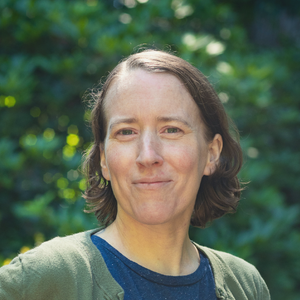
With Dr. Melissa Tiessan, Clinical Psychologist
Do you struggle with chronic pain, fatigue, migraines, or digestive issues? In this episode, I talk with Dr. Melissa Tiessan about neuroplastic symptoms and:
Using mindfulness and curiosity to change your relationship to these symptoms
Why being a highly sensitive person can be an advantage
Understanding the underlying causes and what you can learn from them
Dr. Melissa Tiessen is a clinical psychologist in private practice, serving clients virtually throughout Ontario, Canada. Her practice focuses on the treatment of chronic pain and other chronic neuroplastic symptoms. She is passionate about health professional education and well-being, and is also the co-founder of Intentional Therapist, a continuing education initiative designed to support mental health therapists in protecting and reclaiming their own well-being. She co-hosts the podcast Putting You In Your Schedule, and can be found on LinkedIn quietly creating a self-care revolution.
Keep in touch with Dr. Tiessan:
Website: https://www.drmelissatiessen.ca
Website: https://www.intentionaltherapist.ca
Resources Mentioned:
Thrivival Skills for Therapists Course (use code APRIL25 for 25% off): https://intentional-therapist.newzenler.com/courses/thrivival-skills-for-therapists-independent-study
You Are Not Broken Course (use code APRIL25 for 25% off): https://notbroken.newzenler.com/courses/you-are-not-broken
For more deep conversations like this, join me in Sensitive Circles - a cozy online community for highly sensitive people to find meaningful connection and deepen self-awareness at their own pace. More details: https://www.sensitivecircles.com
Thanks for listening!
You can also follow "SensitiveStrengths" for behind-the-scenes content plus more educational and inspirational HSP resources:
Instagram: https://www.instagram.com/sensitivestrengths
If you have a moment, please rate and review the podcast, it helps Sensitive Stories reach more HSPs!
This episode is for educational purposes only and is not intended as a substitute for treatment with a mental health or medical professional. Some links are affiliate links. You are under no obligation to purchase any book, product or service. I am not responsible for the quality or satisfaction of any purchase.
Episode Transcript
Melissa Tiessan 0:00
Chronic pain, dizziness, gastrointestinal issues of certain kinds, brain fog, even, migraines, et cetera. What's really important is that all of these different kinds of symptoms can fall under this category of neuroplastic symptoms, which means symptoms that are caused not by structural damage in our body, not by tissue damage, not by disease processes, not by infections, not by a tumor, but rather caused by how our brain is interpreting threat. And so the symptoms are in fact being generated by our brain, which does not mean that they are not real. The symptoms are absolutely real. They're just not caused by tissue damage. And so what's incredibly good news about this is the symptoms can potentially be reversible, then. They can absolutely be changeable. They don't have to be permanent with the right approach. They in fact can be changed. And this is like such a departure from so much of the messaging that people typically get about chronic symptoms or conditions of various kinds, right?
April Snow 1:16
Welcome to Sensitive Stories, the podcast for the people who live with hearts and eyes wide open. I'm your host, psychotherapist and author April Snow. I invite you to join me as I deep dive into rich conversations with fellow highly sensitive people that will inspire you to live a more fulfilling life as an HSP without all the overwhelm. In this episode, I talk with Dr. Melissa Tyson about changing your relationship to your chronic symptoms and why being a highly sensitive person can be an advantage when you're dealing with everything from pain and fatigue to migraines and digestive issues. Dr. Teeson is a clinical psychologist in private practice in Ontario, Canada. Her practice focuses on the treatment of chronic pain and other neuroplastic symptoms. She is also the co-founder of Intentional Therapist, a continuing education initiative designed to support mental health therapists in protecting and reclaiming their well-being. She co-hosts the podcast Putting You in Your Schedule and can be found on LinkedIn quietly creating a self-care revolution. And just a reminder that this episode is for educational purposes only and is not intended as a substitute for treatment with a mental health or medical professional. Let's dive in a Melissa. Welcome to the podcast.
Melissa Tiessan 2:58
I'm so excited to talk with you today. Same here, April. Thank you so much for having me.
April Snow 3:03
Of course. So I'd love
April Snow 3:05
to hear a little bit more about your HSP discovery story, either how or when you realize that you're highly sensitive.
Melissa Tiessan 3:13
Yeah. So it's thanks to you. I first found your resources somehow, like seven or eight years ago. And I think I'd heard the term highly sensitive person before, but I didn't honestly know much about it and hadn't specifically connected it to myself. But I certainly have always viewed myself as introverted and, you know, identifying with a lot of the characteristics that are associated with being highly sensitive. But it really stood out for me more, especially hearing you talk about highly sensitive therapists in particular. And that's, I mean, I see it show up across all areas of my life, but I especially see it show up in my work. So I mean, for myself, it's what I identify with is absolutely being very empathetic, having lots of emotional awareness and experiences and certain aspects of sensory sensitivity as well. Like I cannot drink coffee. I can barely drink more than two cups of tea a day because my body just feels it so strongly. That over stimulation, like I do not watch the news, I don't read the news very much to the chagrin of my husband. I'm often out of the loop on things, but it's too overwhelming often to be so connected with that. And things are always changing and shifting. And I just feel like, especially in this work, I don't need that extra layer of over stimulation, especially emotional overstimulation. And especially in my work, I'm very much somebody who am very appreciative to be able to work in my own private practice, set my own schedule. I absolutely have breaks in between every client to the extent that I can help it. I see preferably no more than three people a day, max four. And I don't do four people a day multiple days in a row. It'd be like one day a week max, where I'm going to see four people. I just know that that's what my system needs to stay regulated. And I also, and this is not, goodness, this is not a judgment on anybody who doesn't do things this way, but I also know that I need to write my notes after each session so that I'm not like carrying that with me from one session to another. And I appreciate that's not always feasible for all of us and not always feasible for myself either, but I've really become so intentional about that, knowing that that is really something that I need for myself. And I think honestly, thanks to like having a term for this, I've also been able to give myself a bit more permission to do those things and not like judge myself or like, why can't I see eight people a day? Why would I want to see eight people a day? Is the better question, I would say.
April Snow 6:01
That is a much better question. It's a nice reframe. Yeah.
April Snow 6:05
You're speaking my language. I think we have very similar setups in our practices where we're keeping things manageable, contained. I think that's the only way, really, that you can do this work sustainably for long term when you find those ways to take care of your sensitivity. It's so important. And I know in your work that you specialize in working with neuroplastic symptoms. And that's something that I see a lot in my own practice. And I know quite a few HSPs struggle with that. And I'm wondering if you could define what that is for us.
Melissa Tiessan 6:37
Yeah, it's very important because I'm sure a lot of people have heard the term neuroplasticity, but not maybe neuroplastic symptoms. And so it's a really important term to know because it applies to all of us, even if we're not struggling with symptoms. So, what is it? Neuroplastic symptoms refers to symptoms, and usually we're talking about chronic symptoms. So things that people would typically think of as chronic pain, for example, like musculoskeletal pain, but also can be things like dizziness, gastrointestinal issues of certain kinds, brain fog, even a variety of symptoms, migraines, et cetera. What's really important is that all of these different kinds of symptoms can fall under this category of neuroplastic symptoms, which means symptoms that are caused not by structural damage in our body, not by tissue damage, not by disease processes, not by infections, not by a tumor, but rather caused by how our brain is interpreting threat. And so the symptoms are in fact being generated by our brain, which does not mean that they are not real. This is like the most important piece, maybe, of the whole conversation. The symptoms are absolutely real. They're just not caused by tissue damage. And so, what's incredibly good news about this is the reality that if the symptoms aren't caused by tissue damage, but instead by brain processes, well, the symptoms can potentially be reversible then. They can absolutely be changeable. They don't have to be permanent with the right approach. They in fact can be changed. And this is like such a departure from so much of the messaging that people typically get about chronic symptoms or chronic conditions of various kinds, right?
April Snow 8:29
Yes. I mean, honestly, before I came across your work, I hadn't heard about that term neuroplastic symptoms. I had heard of obviously chronic pain, fatigue. I have a lot of clients with migraines, with digestive issues, you know, common in HSPs as well. This feels well, first it feels validating. Yeah. It feels hopeful. Like, okay, there's some way to work with this. And it's much more expansive than I had realized. I think it covers a lot more avenues than I had ever known about.
Melissa Tiessan 8:59
I'm so happy to hear you say it feels hopeful and validating because that's how I think of it. I think unfortunately, occasionally people can feel invalidated and discouraged when a focus is taken off of a physical cause for our symptoms. But I 110% see this as incredibly hopeful because it's saying that something that we've otherwise probably been told isn't going to get better. You just have to learn to live with it, right? This is saying maybe that's not true. Maybe there is another way that most of medicine just hasn't like caught on to yet. Yes. And I think it's, yeah. Can we guarantee that this can help everybody? No, of course not. But can it help so many people? It can. And that is so hopeful. Yeah.
April Snow 9:54
It really is. Because yeah, a lot of people are told just in your head, there's nothing we can do. And so you're just sent off to manage it yourself in isolation and to know, like, okay, there are other options. And I wanted to go back to something you said,
April Snow 10:10
which is how your brain is interpreting threat, I think is what you said. So then are we attaching this to trauma or nervous system dysregulation?
Melissa Tiessan 10:20
It can be. Can be. Okay. Yeah, yeah. So, and maybe I can maybe I'll ask you first, April. Do you have a more specific question? Because I could go in lots of directions. Sure, sure.
April Snow 10:31
Yeah, that's a great question. I guess for me, my lens is thinking about HSPs who get easily dysregulated, overstimulated. You know, we're often stuck in hyperarousal, we're feeling anxious, we're feeling agitated, or we crash down into maybe more hypoarousal depression. And then from there, a lot of times physical symptoms will come through. So I guess, yeah, selfishly, I'm thinking about it through that angle with the people I work with. So, yeah, that would be my biggest curiosity.
Melissa Tiessan 11:00
Yeah. And so what research does show is that people who have experienced a large number of adverse childhood experiences certainly have an increased chance of experiencing all kinds of challenging health conditions, including neuroplastic symptoms. What's important though, and I think really important when we're talking about highly sensitive people, is that being highly sensitive as well as having adverse childhood experiences doesn't cause these conditions, but it does increase the likelihood because it is having an impact on how our nervous system is being wired. And thus what we're going to, importantly, on a subconscious level, as well as a conscious level, but especially on a subconscious level, what our nervous system is going to interpret as threatening, what it's going to label as threatening. And so again, all of that is changeable, especially if you know that there's value in seeing things through this lens, right? And again, it's not that sensitivity is causing these problems. It's not that difficult childhood or adulthood experiences are causing the problems. And it's absolutely not that anybody is to blame for these neuroplastic symptoms, right? Just because we have the power potentially to change them doesn't mean we're responsible for causing them. But it does mean that if we know that we are somebody who has the type of nervous system that maybe is going to be more prone to having a lower threshold for reacting to aspects of the environment, for example, then this actually can become like powerful knowledge about, okay, here's how then I need to be really intentional about protecting my nervous system from overstimulation, for example. And again, this isn't about this causes this. It's more about these experiences, very understandably, are going to contribute to a nervous system that is going to be more likely to experience these kinds of symptoms because of that role of threat wiring. But again, it's not like a situation where, oh, well, then I guess there's nothing I can do about it.
April Snow 13:15
Right.
Melissa Tiessan 13:16
There's absolutely things that we can do. And I would even argue that highly sensitive people even have a little bit of an advantage over people who aren't highly sensitive when it comes to these kinds of symptoms.
April Snow 13:30
I know sounds kind of like we love hearing there's an event somewhere. Yeah. Yeah, I'd love to hear more about how sensitivity could actually work in your favor here.
Melissa Tiessan 13:40
Yeah. So at least the way I view it, even though I said sensitivity can absolutely predispose us to having these kinds of symptoms, it is absolutely not a foregone conclusion. And in fact, this can be an asset because if we are somebody who is more likely to be able to tune into our emotional state, more likely to be able to tune into things that are going on in our bodies, that is actually going to help us to be able to notice connections, for example, between threats in our external environment and what's happening in our body, as well as to notice connections between threats in our internal environment, like our emotional state and the symptoms that are showing up in our body. So we may, in fact, actually be better. And I have to say, I'm not aware of any research to directly support this, but from a theoretical perspective, it makes very good sense and it fits with people I've worked with clinically as well and my own self, right? If you have the ability already to have an awareness of your internal world, that is absolutely going to help you in shifting this relationship that
Melissa Tiessan 14:50
has developed over time between threat and symptoms and emotions and pain and all of these things, right? So it certainly sometimes can mean that, like I said, we maybe have a lower threshold for kind of tipping into a threat state. But we also have, I would argue, a greater baseline ability to understand the processes that are contributing to these symptoms in the first place and thus actually be able to maybe have a little bit more agency in reversing those processes than somebody who doesn't as naturally have that ability to tune into those things.
April Snow 15:27
Yeah, it makes so much sense because we're more perceptive and aware of nuance, we can make the connections, we can intervene sooner, we can, you know, take care of ourselves in a different way. And there is some research to back up what you're saying, two angles. One, differential susceptibility, which means by Jay Belski and Michael Pluis, which basically just means we experience more difficult experiences intensely, but also positive, yeah, which you've probably heard of. And there's recent research I came across, and I'm forgetting the researchers, but how HSPs are actually more resilient because of our mindful awareness. So what you're saying is like perfectly on point with our experiences HSPs, and thankfully there is science to back it up. And it intuitively it also makes sense, of course. When you notice more, you can soak up the good and you can get ahead of things that might be a threat or cause you discomfort or some of these neuroplastic symptoms. Yeah.
Melissa Tiessan 16:24
So yeah, big advantage. Yeah. And I also know that some of the things that you talk about frequently are so relevant here too, because what really makes a difference for anybody, whether somebody identifies as being highly sensitive or not, anytime we're talking about neuroplastic symptoms, the way we start to change these processes and this feedback loop in our body and our nervous system and our subconscious begins with curiosity, begins with mindfulness, begins with intentionality, and begins with compassion. And so anytime we can relate to anything that's going on for us, whether it's these things that we would typically call chronic pain or other chronic symptoms that are in fact neuroplastic in origin, or even just the traits that go along with being highly sensitive, right? Just the sensitivity itself. Anytime we can relate to any of that from this place, as of course you know very well. And I'm sure listeners of this podcast are already familiar with when we can relate to that with compassion, with curiosity, right? And non-judgment, right? Not saying, oh my God, right, what's wrong with me that I'm having these symptoms, or what's wrong with me that I feel so emotional, or what's wrong with me that I'm feeling overstimulated. But instead of switching that, right, flipping that around and being like, okay, you know what? This is just how my body, my system operates. I'm gonna find ways to be okay with that and be compassionate towards myself about it, right? And maybe even embrace it. And it makes such an incredible difference, whether we're talking about neuroplastic symptoms or just our general experience, right?
April Snow 18:08
True. Yeah, self-compassion is a huge resource for HSPs to reframe those narratives we've heard our whole lives and say, we're not good enough, we're not doing enough. And so that can be the start in shifting our relationship to the symptoms and potentially you're saying our experience, our felt experience of the symptoms themselves. Yes. So we have starting with self-compassion, being aware to make changes in our lives and our experiences. I wonder if you could say a little bit more about that process, how that works, or some other ways to do it.
Melissa Tiessan 18:45
Yeah. Well, and you actually spoke to one of the valuable ideas a few minutes ago as well, which is this idea of like discernment and what I like to call attention to variability. Because one of the things that is really common when anybody experiences chronic symptoms, and especially chronic neuroplastic symptoms, because they are just that prevalent. And I've had my own full basket of neuroplastic symptoms over the years myself. And so something that is so incredibly normal is hypervigilance to what's going on in our body, right? Especially if it's a really aversive experience and pervasive experience of pain. Naturally, our attention is gonna really be drawn to that experience. And we are going to be kind of like on the lookout, right? On guard, bracing constantly around if the symptoms aren't there, oh my God, when are they gonna show up? Are they gonna come back? Are they gonna stay away? If they are there, are they gonna get worse? Are they gonna get better? Right. All of these questions and what-ifs and worries about the impact on our functioning. And so hypervigilance is incredibly normal, totally makes sense, and also highlights the threat aspect, right? Yes. We're not hyper-vigilant about things that are good. We're hyper-vigilant about things that feel dangerous, right? That feel threatening to us, that feel unsafe. So we can still pay attention to what's going on in our body, and we actually need to, because in a lot of ways, treatment of neuroplastic symptoms is largely an exposure therapy. And it's a very specific type of exposure, though, meaning instead of trying to avoid the experience of what's going on in our body, right? Distract ourselves from it, not think about it, or have this hypervigilance, which people might say, well, I'm like paying too much attention to my symptoms. And it kind of is true, like it's the wrong kind of attention. Instead, what we want is, like I said a moment ago, attention to variability, which in my mind means instead of looking for how can we kind of keep these symptoms away, or at least keep our mental awareness of those symptoms away, what we actually want to be doing is starting to notice even these subtle moments where maybe the symptoms aren't showing up exactly as expected. Maybe they're showing up a little bit differently. Maybe they're not even showing up in a given moment. And this is really, really powerful information and really powerful personalized information and evidence that we can use to start to see, okay, so even though these symptoms are chronic and persistent and they're here a lot of the time, they're not actually here all of the time. So what can I learn from those moments that they're not here? As well as what can I learn from the moments that they are here? And especially back to are there maybe some connections with things that I didn't realize my nervous system was perceiving as threatening, but actually is perceiving as threatening? What can
Melissa Tiessan 21:50
I learn about? Well, what happens if I do X? Does that have an impact on shifting my symptoms in one way or another, right? Does it help them get better or does it? Make them a bit worse. Okay, obviously making them worse isn't fun, but it's still evidence of the changeability of those symptoms. So for me, that's a really important first step of just even being aware that when we can pay attention in a different way to what's going on in our body, and that maybe we can even have a little bit more agency over it than we thought we did. And importantly, this isn't about controlling the symptoms because, like I said, ultimately it's an exposure treatment. So it's just that this isn't exposure to dogs, it's exposure to the stuff that's happening inside of us that we don't like and learning to be more okay with that. I mean, essentially that's what it is. And then it's all different kinds of ways of essentially being more okay with the stuff that's showing up that we kind of wish wasn't.
April Snow 22:53
Yeah, and widening the story. Because if we're on that hyper-vigilance, we're thinking, I have these symptoms all the time and I just have to run. But when we lean in, we realize, oh, there are moments of relief, of respite. And you can start to make those connections in a more nuanced way of, oh, this helps, this hurts. I love that. It makes sense. Just that we can, it's okay to pay more attention to it.
Melissa Tiessan 23:15
Yes. And I often talk with people because thankfully there's a lot more publicly available and freely available resources these days about neuroplastic symptoms. There's all kinds of great YouTube channels, books, podcasts. So there's compared to even like five, six years ago when I started focusing in this area, there's so much more available now. And that's fantastic, but it can also be a little bit overwhelming to sit through and figure out like what's the stuff to believe or not. And so I often these days work with people who have actually read a lot of books, have maybe even read research, have watched all kinds of videos on YouTube channels and are trying to practice a lot of these strategies on their own, whether emotional-based or body-based strategies, and are still kind of coming up against some roadblocks, which again, totally normal. And something that I've observed that often happens is that a lot of the resources that are out there on a surface level, and certainly nobody creating any of those resources, I think, is intending to send this message. But I think it's really easy for people to take a very simple message of okay, the more I'm like fearing my symptoms, the more the symptoms are going to increase. So I just need to like not fear my symptoms. Instead of seeing things through a lens of danger, I need to see things through a lens of safety. So I just have to tell myself, I'm safe.
April Snow 24:42
Right.
Melissa Tiessan 24:42
My symptoms are safe and they'll go away. But of course, it's not quite as simple as that. Yes, if only. And for a lot of people, it's not quite that simple because just even noticing our symptoms maybe doesn't feel safe. Just turning our attention towards our body maybe doesn't feel so safe. So a lot of the time we actually have to like kind of take a step back so that people can just first get more comfortable with this like foreign idea of I'm just gonna tune into my body and notice what's going on. I don't even have to tell myself that the symptoms themselves are safe yet. Cause that's gonna feel like I'm almost lying to myself at that point. If we like kind of push that on ourselves too soon, it's really more about it's okay to pay attention in this way. It's okay to not be super hyper-vigilant. Because of course, we're being hyper-vigilant because our subconscious is just trying to protect us because ultimately that's what pain is here for. It's trying to help us, it's trying to protect us. So, yeah, there's gonna be parts of our nervous system that are gonna push back and be like, no, we have to be hyper-vigilant. This, like, pain is scary, pain is bad. We need to, you know, protect the fort from from, or actually, I shouldn't say pain is scary, but these whatever's going on internally is scary because pain is actually a reaction to whatever's going on inside our body, right? Reaction to the threat. So just even starting with it's okay to have this different quality of attention towards what's going on in my body. And again, I would argue that anybody who identifies as highly sensitive already has that ability to do that.
April Snow 26:26
Yeah, thankfully, we come with that gift naturally. Yeah, that we can zoom in and just lean into these little details of yeah, what is happening in my body. And as we know, as HSPs, we need time. So I appreciate that you're saying move slowly. It's okay. Yes. Just start by noticing. You don't have to change anything yet.
Melissa Tiessan 26:47
Yeah. And that actually highlights another common trap that I think can show up for people that this is such a great point that actually HSPs might have a greater ability to tolerate, which is yeah, that we don't have to be fixing everything right away. And again, like we all, even as HSPs, we're still gonna have a fix it brain, I call it, because that's just that's our hardware. And it's important for our survival. But when it comes to chronic neuroplastic symptoms, the fix it brain works against us. And so, kind of other experiences that go along with a fix it brain are things like wanting things to change quickly, right? Not wanting to be patient, it just really easily getting frustrated when things don't change as quickly as we would like. Getting frustrated with needing to tolerate discomfort and uncertainty and sit with those things and those experiences and noticing what's going on in our body, right? And like slowing things down back to that like discernment process. That yeah, our inborn wiring doesn't like slowing things down. Yeah, it doesn't, at least for humans in general, right? Right. But yeah, again, as highly sensitive people, we're actually probably gonna be a lot more open to slowing things down than maybe the average person who doesn't.
April Snow 28:13
It's true. It's more in our natural rhythm to move methodically, move intentionally. That's what we're wired to do to pause and reflect. So that does work in our favor. It seems like we have a lot of tools in our toolbox that will help us work with neuroplastic symptoms, which is a relief. It's like, oh, I can lean into what's already here.
Melissa Tiessan 28:34
Exactly. Yeah, yeah. And so sure, there is the predisposing aspect of sensitivity and maybe also some early childhood experiences and various personality strategies, I like to say. And of course, there's maybe also some very common things that we've all learned about emotions in terms of like what's okay to experience, especially what's okay to express outwardly versus what's not okay. So that can also be certainly a very big predisposing factor to having challenges with neuroplastic symptoms. But as soon as we understand that those things play a really important role, yeah, then being highly sensitive can actually become like a little bit of a superpower for being able to unwind these processes.
April Snow 29:19
Yeah, it really can. And I appreciate that you saying it's okay to pay more attention. Cause I think often we're thinking, well, we need to dismiss it, we need to turn away from it, get over it, put it aside. It's like, no, it's okay to look at what's happening here.
Melissa Tiessan 29:34
Yeah, yeah. In fact, improvement comes from the opposite of the things that we think or that we're wired or socialized to do when it comes to pain and other symptoms. Yeah. And of course, we just we don't naturally do it. Number one, because it seems like it doesn't make any sense. Right. And then number two, because I don't really want to turn towards scary emotions, is what most people are gonna think at first, especially if they haven't had an intentional experience of doing that.
April Snow 30:06
Right. So I'm curious how we turn
April Snow 30:10
towards if we are in that place of fear or have been told you're overreacting.
Melissa Tiessan 30:18
So the first thing I like to say, because some people do kind of conceptualize these symptoms as our nervous system overreacting to threat, right? Like that there isn't an objective threat. So on one hand, yes, it is more of a reaction that might be appropriate for the objective situation. But I like to start from the premise that it's not so much an overreaction as over-protection. And again, the idea of protection, I think is so valuable because that also already kind of puts us in this starting place of compassion, right? Of like, okay, my body's, my brain, my nervous system, they're all just they're trying to do something good for me. And actually, I really like to use an analogy of Dobby from Harry Potter. And in fact, I apologies to anybody listening and not watching the video, but I'm gonna show my little figurine of Dobby. The reason I have this guy is because I think Dobby is such a great metaphor for chronic neuroplastic symptoms in the sense that, so of course, Dobby was a house elf, first employed or enslaved, I guess, to the Malfoys, but Harry freed him. And Dobby was so incredibly loyal to Harry. He would like to do anything to protect Harry. But sometimes his efforts at protection were a bit misguided, right? Things would kind of get chaotic when Dobby was trying to do things in the service of protecting Harry. And that is basically what chronic neuroplastic symptoms are doing in our own bodies. They're just like Dobby. They have amazing, amazing intentions. They just want the are, right? The symptoms just want the best for us. And they're just kind of like misguided. So again, it's back to this stance of compassion, right? As soon as we can see that there's like something good that is intended out of this, what otherwise seems like really terrible, aversive experience of chronic symptoms, but there's actually something good that is behind it right there. That's like that creates the conditions for a shift to be possible, right?
April Snow 32:39
Absolutely. I mean, Dobby is such a great metaphor, and I don't know much about Harry Potter, but as you were describing, like, that is what's happening, right? We're looking at this, the surface, which feels like an overreaction, an inconvenience, a discomfort, however you want to phrase it. But right, if we go to the core, our body's trying to protect itself. Yeah, just like a parent who tells a toddler don't touch the stove, they're mad, but also they're being protected. It's like, no, there's something really good happening here. And yes, holding on to that, it changes the whole experience. My body's trying to tell me something, it's trying to protect me.
Melissa Tiessan 33:17
Yeah, yeah, yeah. And so, again, various ways then that we can kind of like be turning towards our experience and getting those exposure experiences. And again, it's just that we're not kind of gradually exposing ourselves to photos of a dog and then a cute puppy and then, you know, dog from 20 feet away and then from 20 feet away and then petting the dog. But we're kind of doing a similar thing, just in an internal way, right? So, like I was saying earlier, okay, can it be okay to just kind of mindfully attend to what's going on in my body and just know I don't have to change any of this? It's okay if nothing changes while I do this. I am just practicing letting this experience be here. I'm practicing turning my attention towards it instead of turning my attention away from it, distracting myself from it, avoiding it, pretending it's not happening or getting frustrated with the experience. I'm actually turning towards it, letting it be here, even if it's just for two seconds. And I'm gonna notice what happens as I do that. So again, right, we've got the slowing down, got mindfulness, we've got curiosity. And all of that is basically approach messaging, safety messaging to our nervous system, right? Because we don't move towards things that we are afraid of that are dangerous, right? Right. We move away from them, like I said earlier. So anytime we're doing something that is moving towards, but it's sort of like the mental and emotional equivalent of moving towards that dog that we have a phobia of, that is gonna help create new neural pathways that aren't gonna be as strongly associated with threat. And so ultimately, then our nervous system doesn't have to continue to use pain or other chronic symptoms as a protection from those things that have previously been associated with threat. If we take away the threat, we can take away the pain.
April Snow 35:17
It's amazing. The symptoms, as you were talking about, like they're our allies, right? They're not our enemies. And we can work with them and build a relationship with them. And then that safety, I imagine, will spread outward.
Melissa Tiessan 35:32
Wow. Yeah. And as you say that, April, it also reminds me of what I often talk with people about, which is I really love doing this work, not only because it can help people have significant reductions in their pain. And again, I'm not saying it happens for everybody, it doesn't happen for everybody for lots of different reasons. But for many people, they do get a significant reduction in their symptoms that they haven't been able to experience through other methods or other frameworks. And what I think is incredibly beautiful is not only that, but even more beautiful is the reality that when we can learn to relate to any internal experience through a different lens, especially a lens of safety, of maybe even welcoming and befriending difficult experiences, right? That's gonna change our lives in significant ways beyond just the symptoms are better, right? But like relationships can be better, self-confidence can be better, so many things can improve. Because again, it's not just about, okay, like take this pill to get rid of the symptoms. It's really about let me change how my nervous system is responding to threat.
April Snow 36:49
Yeah, you're getting to the root of it. And then your nervous system is different in every situation.
Melissa Tiessan 36:54
Exactly.
April Snow 36:55
Yeah, it's incredible. Well, Melissa, I feel like you could teach a masterclass on this. And I really appreciate everything you shared today. It's really been eye-opening for me, and I'm coming away with a very different outlook on these symptoms and realizing that I do have neuroplastic symptoms. I'm not someone who struggles with pain, but I definitely fall into some of these other categories. So that's really eye-opening for me and how I'm gonna hold it with my clients.
Melissa Tiessan 37:19
Yeah, exactly. Yeah, and again, it's so important to recognize that like this is all of us, right? This isn't just something that happens for HSPs. This isn't just something that happens for people who've experienced trauma. This isn't just something that happens to people who can't handle stress. Because of course, this is not about not handling stress.
Melissa Tiessan 37:40
It's so much deeper and more profound than stress. And yeah, and I think what again is such a lovely opportunity if people can be open to it is recognizing, like we were just saying, how this can apply to so many other areas of our lives and can really benefit us in so many other areas of our lives.
April Snow 38:00
Yeah, it really can. And yes, every human has a nervous system, has an immune system, digestive system that is impacted by threat and will alert us. Yeah, it's supposed to. It's supposed to. That's its job. So if you are having symptoms, your body's doing its work. Like I know whenever I've had digestive issues or skin issues, when I'm stressed or under threat, like, oh, my body's sending me a message. And I'm so grateful to know that something's going on and I can take care of myself. And if there are listeners out there, like you're saying, I think we all fall under this category at some level, what would the last message you would leave them with be?
Melissa Tiessan 38:41
So I think kind of following along what you were just saying about your own experience, April, we all already have proof in our own lives of this association between symptoms showing up physically in our body and perceived threat. I mean, that's what anxiety is. But without having to experience an anxiety disorder, right? Butterflies in our stomach, right, our heart rate increasing, all of these things, they're serving a really important purpose and they are linked to how we are perceiving threat. And so I think when we can really normalize that this is just something that happens to all of us and that we already have evidence of these processes and of these mechanisms, it hopefully makes it a bit less of a stretch to see how chronic pain specifically and related symptoms and conditions can really be due to brain-based systems as opposed to tissue damage. Can chronic pain be due to tissue damage? Of course. But I think our medical systems tend to give this message that tissue damage is always involved in pain, and that the brain is sometimes involved. And the cases where the brain is maybe involved, that's when people are told, oh, it's stress or it's all in your head, or any of those really negative, yeah, inaccurate messages. When the truth is our brain is always involved.
April Snow 40:10
Right.
Melissa Tiessan 40:10
And sometimes, yeah, sometimes it's tissue damage, but the brain is always involved. And I think that can just be a really helpful way for people to maybe start shifting their thinking about what's showing up in their own body, and then to make it possible to understand how it then is plausible that symptoms that show up in our body that seem like, you know, having pain sitting in a chair seems like that's due to something wrong with our back. When maybe it's not actually due to that. Maybe it's due to these other processes. And if we can continue to be curious, and there's lots of resources that people can check out that I can suggest that can help people kind of clarify for themselves if they fall into this category of neuroplastic symptoms. And then, you know, just the openness to this as even a possibility is really something that I hope people can take away from our conversation.
April Snow 41:05
I hope so too. That and again, that it's okay to lean towards.
Melissa Tiessan 41:15
Yeah, yeah. And that sensitivity can sometimes predispose us, but it can also help in the treatment process if we understand how all of these things work and interact with each other.
April Snow 41:29
Right. Exactly. It's always the both end. Well, Melissa, I will be sure to share your website, your courses in the show notes. Before we go though, I'm wondering if you could tell listeners a little bit more about the You're Not Broken course that you offer.
Melissa Tiessan 41:43
Yeah, thank you. So this is a course that I created specifically actually for other health professionals. It's not only relevant to health professionals. All of the information is going to be relevant to anybody. But I wanted to make something specifically for other health professionals who have their own neuroplastic symptoms. So it's not necessarily about learning how to treat neuroplastic symptoms in others that we might work with. You can use that information absolutely to inform that, but it's first and foremost about understanding these processes within ourselves. And of course, a lot of what I talk about in the course is very, very relevant to highly sensitive people and certainly very relevant to highly sensitive therapists in particular. And I just want to highlight that Dobby makes an appearance in the course as well. That's fun. And really importantly, the course is actually all audio, aside from a few links to videos, one of Dobby and a few others. I intentionally made the course audio for a couple of reasons. One being, especially as healthcare professionals, a lot of us don't need more time on screens, especially CE on screens. This isn't CE specifically, but it may be by the time this episode comes out, actually. But importantly, I wanted it to be something that doesn't require somebody to be sitting in front of a screen. So you can listen while you're walking, you can listen while you're sitting, you can listen while you're laying down with your eyes closed, right? You don't even have to have your eyes open. And I think that is also really important once people are experiencing chronic symptoms to have the ability to lay down, to have the ability to have your eyes closed, right? Especially if somebody experiences migraines, for example, or dizziness. So those were some of the first reasons. And the other, I think, really important reason that very much relates to highly sensitive people is there is, I think, a unique regulating function of listening to somebody else speak, right? And absolutely there can be a unique connection that can develop when we are able to see somebody, whether in person or even on a screen. But there is something about listening to another person talk, especially in our earbuds, right? In our ears, in our headphones. And especially if we're able to go about other daily life activities at the same time, there is sort of this like heightened personalization that comes from it, right? Which is why so many people choose podcasting as well. It creates that kind of intimate experience in a way. And so again, while this is not an intimate experience the same way an intimate relationship is, obviously, and not even intimate in the professional sense of a one-on-one therapy relationship, there is still that, I think, really valuable regulating function that comes from experiencing audio. And because of course, sound, music, it's waves, it's having an impact on our physiology. So, so yeah, that was my reasoning for making it audio. And also all of the lessons are like 15 minutes or less.
April Snow 44:54
Oh, that's great. Very digestible.
Melissa Tiessan 44:56
Exactly.
April Snow 44:56
Yeah. I love that you've made it accessible, sensory friendly. Because when you're taking information, it can be yeah, to keep it short, to not have to take in the visuals and be able to immerse. It's it's just soothing to the nervous system. So I'm very sensitive to voices. Like I feel very calm by them. So I would, yeah, I would love that.
Melissa Tiessan 45:16
Yeah. And then there are written transcripts of everything as well. So that, yeah, there's kind of both for it. So yeah. So yeah, would love if anybody is interested, please check out the link that you'll share, April.
April Snow 45:30
Yeah, it's a perfect next step for folks to continue staying in touch with you and work with you. Yeah, thanks again for being here today, Melissa. This was a joy.
Melissa Tiessan 45:38
Yeah, for me as well, April. Thank you so much for your podcast and your presence and for just yeah, allowing me to share this message as well.
April Snow 45:50
Absolutely. Thank you. Thanks so much for joining me and Dr. Tyson for today's conversation. I hope you're walking away knowing that your symptoms are valid and that you're not overreacting. You can access Dr. Tiessan’s two courses, Survival Skills for Therapists, and You're Not Broken, to help you rewire your pain and reclaim your life. You can find those links in the show notes and be sure to use code APRIL25 at checkout for 25% off. If you enjoyed this episode, subscribe to the Sensitive Stories podcast so you don't miss our upcoming conversations. Reviews and ratings are also helpful and appreciated. Check out the show notes or head to sensitivestories.com to find all the resources and the transcript from today's episode. Thanks for listening.